Makeup Setting Powder
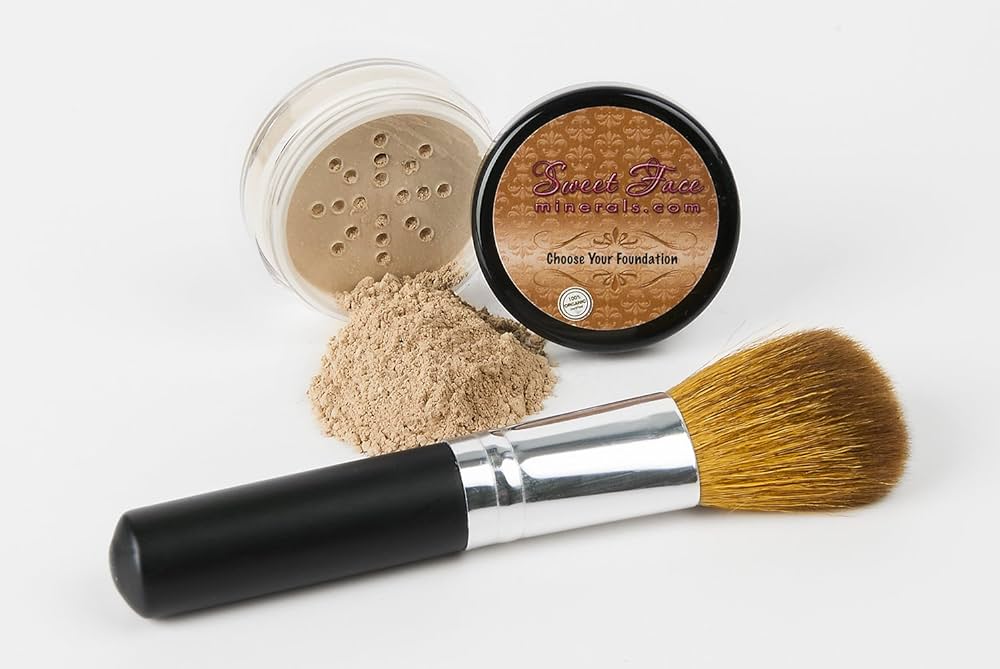
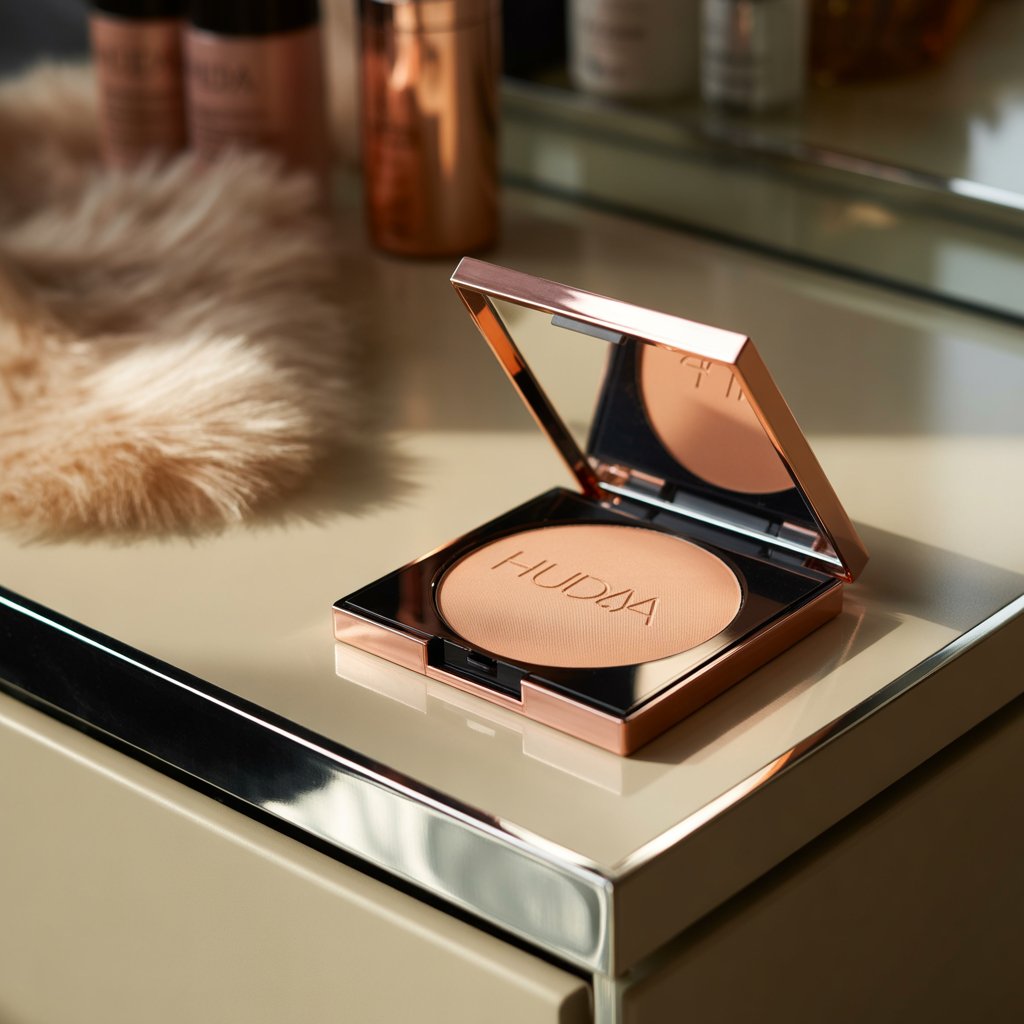
Makeup setting powder is a crucial step in any makeup routine as it helps to set and mattify the foundation, giving it a long-lasting and flawless finish. A good setting powder can control shine, minimize the appearance of pores, and enhance the longevity of your makeup throughout the day.
Not only does it provide a smooth and airbrushed look, but it also prevents your makeup from smudging or melting off, especially in hot and humid weather. Whether you have oily, combination, or dry skin, using a setting powder is essential to keep your makeup in place and ensure a fresh and polished appearance throughout the day.
The Importance Of Setting Powder
Setting powder is a crucial step in any makeup routine. It helps to lock in your makeup, control shine, and extend the wear time of your look. Choosing the right setting powder can make a significant difference in the overall appearance and longevity of your makeup.
Matte Finish
Setting powder can provide a matte finish by absorbing excess oils on the skin, giving your complexion a smooth, velvety appearance. It helps to blur imperfections and create a flawless base for the rest of your makeup.
Oil Control
One of the key benefits of setting powder is its ability to control oil production throughout the day. By reducing shine and mattifying the skin, setting powder helps to keep your makeup in place and prevent it from sliding off.
Choosing The Right Setting Powder
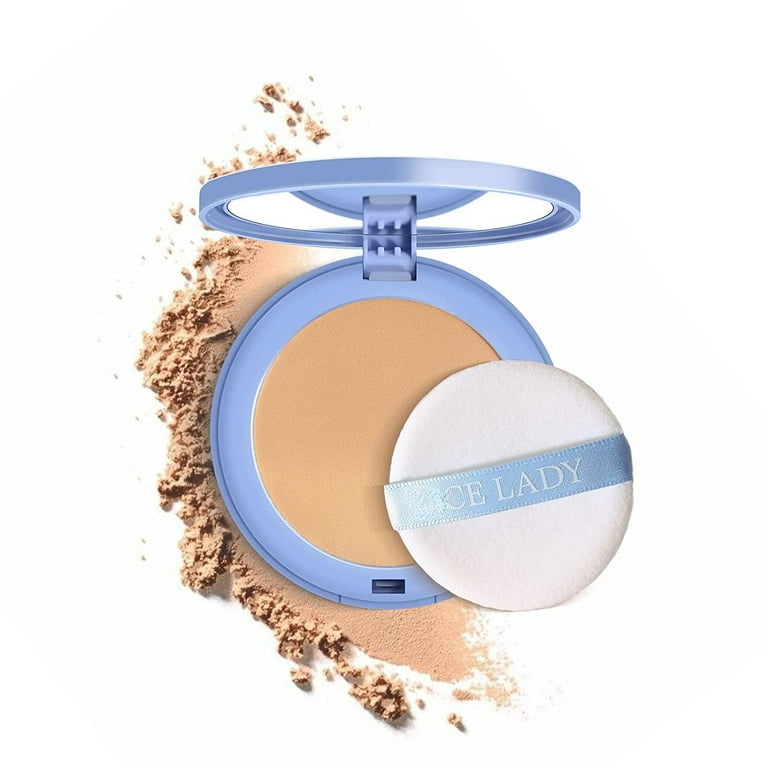
When it comes to nailing your makeup look, choosing the right setting powder is crucial. Whether you have oily, dry, or combination skin, finding the perfect setting powder can make all the difference in helping your makeup stay put throughout the day. From translucent to tinted options, there are numerous factors to consider when selecting the ideal setting powder for your skin type and desired outcome.
Skin Type Consideration
Understanding your skin type is essential when choosing a setting powder. For those with oily skin, opt for a mattifying powder to control shine and minimize the appearance of pores. Dry skin types should look for setting powders with hydrating properties to avoid emphasizing dry patches. For combination skin, consider a setting powder that strikes a balance – controls oil in T-zone areas while providing a non-drying finish on the rest of the face.
Translucent Vs. Tinted
When it comes to translucent setting powders, they work universally on all skin tones and provide a sheer, colorless finish. They are perfect for setting makeup without altering the shade of your foundation or concealer. On the other hand, tinted setting powders come in various shades to add a touch of color, correct redness, or brighten the complexion. Consider your skin tone and the desired effect when deciding between translucent and tinted options.
Application Techniques
When it comes to makeup setting powder, the application techniques you use can significantly impact the final look and longevity of your makeup. Whether you prefer a brush or a sponge, or if you’re interested in trying out the baking method, these techniques can make a difference in your makeup routine.
Brush Vs. Sponge
Choosing between a brush and a sponge for applying setting powder can depend on the finish you want to achieve. Here’s a quick comparison to help you decide which method suits you best:
| Brush | Sponge |
|---|---|
| Effortlessly blends the powder for a natural finish | Can provide a more seamless and airbrushed appearance |
| Works well for setting larger areas of the face | Great for targeted application and building coverage |
| Offers buildable coverage and is ideal for a lighter touch | Can help to press the powder into the skin for a more matte look |
Baking Method
- The baking method involves applying a generous amount of setting powder to specific areas of the face and allowing it to set for a few minutes before dusting it off. This technique can help to lock in your makeup and create a flawless, crease-free finish.
- To try the baking method, start by applying a thick layer of setting powder with a damp sponge or brush to areas where you want to brighten and set your makeup, such as under the eyes and along the T-zone.
- Allow the powder to “bake” for 5-10 minutes to absorb any excess moisture from your foundation and concealer, then gently buff away the excess powder using a fluffy brush for a long-lasting, photo-ready look.
Setting Powder For Different Skin Tones
When it comes to makeup, setting powder is a crucial step in a makeup routine. Choosing the right setting powder for your skin tone is essential for achieving a flawless finish. Different skin tones require different formulations and shades of setting powder to ensure a natural and seamless look. In this article, we’ll explore how to select the perfect setting powder for different skin tones, catering to the needs of light skin tones and medium to deep skin tones.
Light Skin Tones
Light skin tones are best complemented by setting powders with a translucent or light shade. These powders help to enhance the natural brightness and youthfulness of fair skin without adding any extra color. Opt for setting powders that are finely milled and sheer to avoid a cakey or heavy appearance. Look for products that provide a mattifying effect, control shine, and help to blur imperfections, leaving the skin with a soft-focus finish.
Medium To Deep Skin Tones
For those with medium to deep skin tones, setting powders with a warm or golden undertone works best. These shades help to balance and enhance the richness of the skin, offering a radiant and natural look. Look for setting powders that are specifically formulated for deeper skin tones, offering excellent coverage and setting properties without leaving a gray or ashy cast on the skin. Avoid powders that are too light or white-based, as they can create an unnatural contrast against the complexion.
Setting Powder Tips & Tricks
Using setting powder is a game-changer when it comes to achieving a flawless makeup look that lasts all day. Whether you’re a beginner or a pro in the world of makeup, these tips and tricks will help you master the art of setting powder and take your makeup game to the next level.
Avoiding Flashback
One of the challenges when using setting powder is avoiding flashback, which refers to the white cast that occurs when flash photography is used. To prevent this, follow these tips:
- Choose a setting powder with no or minimal talc content, as talc can contribute to flashback.
- Opt for a finely milled setting powder, as it blends seamlessly into the skin without leaving a white residue.
- Apply setting powder sparingly, focusing on areas prone to shine or getting oily throughout the day.
- Blend the powder thoroughly into the skin using a fluffy brush or sponge.
By following these steps, you can ensure that your makeup looks flawless, both in person and in photos.
Setting Specific Areas
While setting your entire face with powder is essential for long-lasting makeup, there are specific areas that benefit from additional attention:
- T-zone: The forehead, nose, and chin tend to get oily throughout the day. Applying extra powder in these areas helps control shine.
- Under-eye area: Setting powder can prevent creasing and extend the wear of your under-eye concealer. Use a small fluffy brush to apply the powder gently.
- Smile lines: These lines around the mouth can cause the foundation to crease. Lightly dust-setting powder in this area to keep your makeup in place.
- Lip area: If you’re wearing lipstick or lipgloss, applying a touch of powder to the lips can help prolong the wear of your lip products.
By focusing on these specific areas, you can ensure that your makeup stays intact and fresh throughout the day.

Setting Powder For Special Occasions
Are you preparing for a special event and want your makeup to stay flawless all day long? Setting powder is a must-have product that helps to lock in your makeup look and keep shine at bay. Let’s explore how setting powders can elevate your beauty game for special occasions.
Weddings
Weddings are a time for celebration and joy. Setting powder is essential for brides to ensure their makeup remains impeccable from the first kiss to the last dance.
Photography
When it comes to photography, setting powder is a game-changer. It helps to reduce shine, minimize imperfections, and ensure your skin looks flawless under the camera lens.
Setting Powder Vs. Setting Spray
When it comes to locking your makeup in place, two popular options are setting powder and setting spray. While they both serve the same purpose, there are some key differences between the two. In this article, we will explore the differences between setting powder and setting spray and discuss how they can complement each other in your makeup routine.
Differences
Setting powder and setting spray differ in their formulation and application method. Setting powder is usually a loose or pressed powder that is applied with a brush or sponge to set the foundation and concealer. It helps to mattify the skin, blur imperfections, and reduce shine throughout the day. On the other hand, setting spray is a liquid formula that is sprayed onto the face after applying makeup. It forms a protective film over the skin, helping to seal the products and prolong their wear.
Complementary To Each Other
Although setting powder and setting spray have their roles, they also work well together to enhance the longevity and finish of your makeup. Setting powder can be used to control oiliness and set the foundation while setting spray can be applied as the final step to lock everything in place. The powder creates a smooth base for the spray to adhere to, ensuring a longer-lasting and more flawless makeup look.
- Setting powder mattifies the skin while setting spray adds a dewy finish.
- Setting powder helps with oil control while setting spray enhances the longevity of makeup.
- Setting powder can be applied before or after foundation while setting spray is used as the final step.
- Setting powder is more suitable for touch-ups throughout the day while setting spray provides a quick refreshment.
To summarize, setting powder and setting spray are both essential tools in any makeup routine. While they have different formulations and application methods, they can complement each other to create a long-lasting, matte, or dewy finish, depending on your preference. So, why choose between the two when you can have the best of both worlds?

Conclusion & Final Recommendations
Regularly touch up makeup to retain a fresh appearance.
Keep a blotting paper handy for oil control.
Test different powders to find the ideal match for the skin.
Sample products before committing to a full size.
Consider both high-end and drugstore options for variety.
Frequently Asked Questions For Makeup Setting Powder
What Is Makeup Setting Powder?
Makeup setting powder is a finely milled powder that helps set makeup, control shine, and blur imperfections for a flawless look.
How To Apply Makeup Setting Powder?
After applying foundation, dab a small amount of powder onto a brush and gently sweep it across your face for a smooth finish.
Can Makeup Setting Powder Cause Flashback?
To prevent flashbacks, choose a translucent setting powder and use a light hand when applying to avoid a cakey finish.
Is Makeup Setting Powder Suitable For All Skin Types?
Yes, makeup setting powders are available in various formulas to cater to different skin types, including oily, dry, and sensitive skin.
Conclusion
Ensure long-lasting and flawless makeup with the right setting powder. Its ability to absorb excess oil and reduce shine makes it an essential step in any makeup routine. By choosing the right shade and formula, you can achieve a smooth and airbrushed finish.
Adding this final touch to your makeup not only enhances its longevity but also helps to minimize the appearance of fine lines and pores. Invest in a high-quality setting powder to lock in your look and stay confident all day long.